
Cart 0
Comparing PTZ and ePTZ Cameras for Business Use
Comparing PTZ and ePTZ Cameras for Business Use
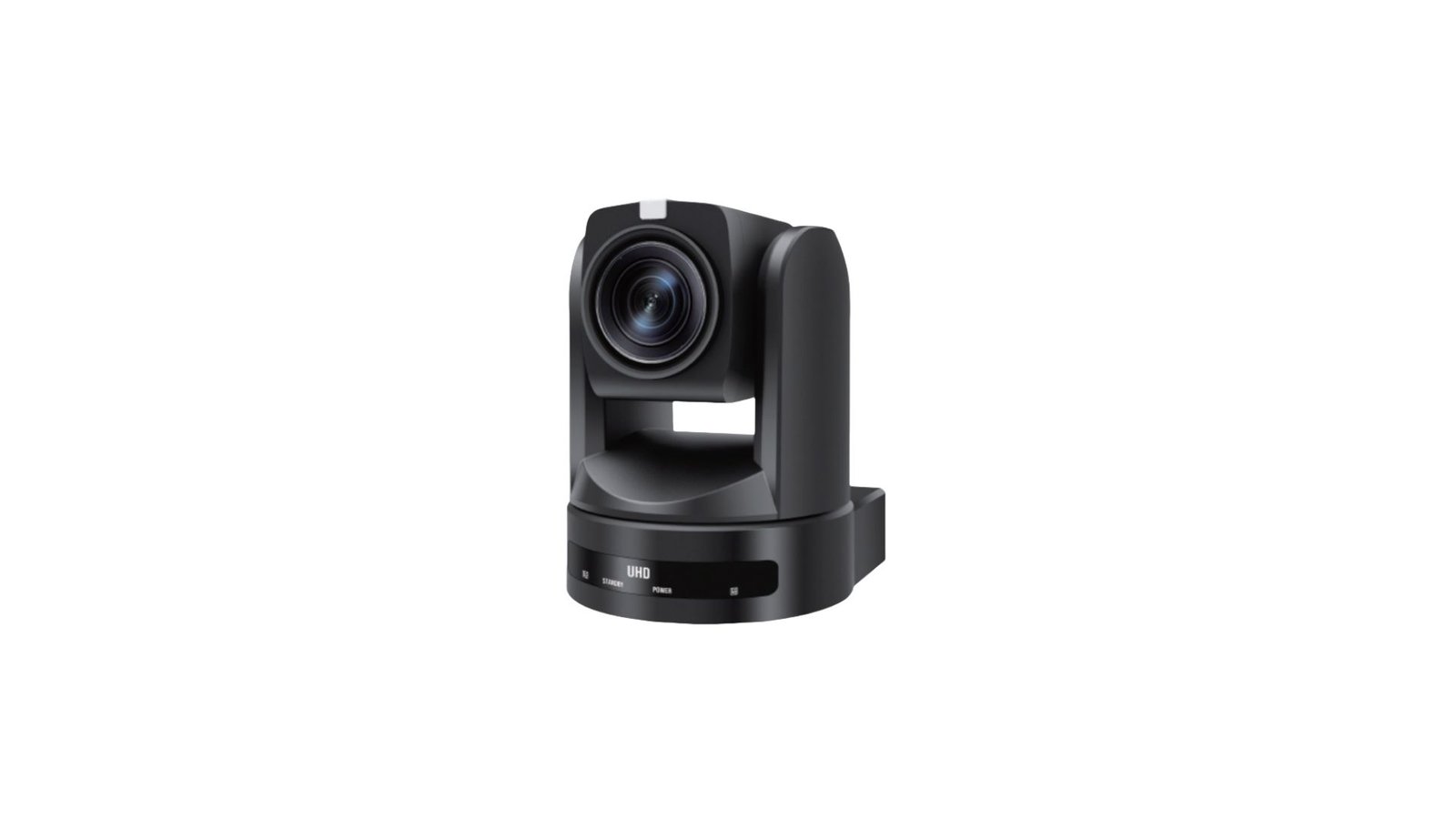
Table of Contents
As businesses continue to embrace digital transformation and remote collaboration, video conferencing equipment has become a critical component of day-to-day operations. When selecting a camera for professional environments, companies often face the decision: PTZ vs ePTZ. While these two technologies may appear similar, they serve different needs based on usage, performance, and technical capabilities.
This guide provides a detailed comparison of PTZ and ePTZ cameras, helping IT managers, AV professionals, and procurement officers choose the right solution for their business use case.
What Is a PTZ Camera?
A PTZ (Pan-Tilt-Zoom) camera uses a motorized mechanism to physically move the lens:
-
Pan: Horizontal movement
-
Tilt: Vertical movement
-
Zoom: Optical zoom, which physically adjusts the lens to enlarge the image without losing quality
PTZ cameras are commonly installed in large conference rooms, boardrooms, classrooms, and event spaces. They can be controlled remotely using a joystick, software interface, or preset angles, allowing real-time movement and precise framing during live meetings or recordings.
What Is an ePTZ Camera?
An ePTZ (electronic Pan-Tilt-Zoom) camera uses software to simulate pan, tilt, and zoom functionality within a fixed wide-angle sensor. Unlike PTZ cameras, ePTZ cameras do not have any moving parts. Instead, they digitally crop and enlarge parts of the image sensor.
While this makes ePTZ cameras smaller, more cost-effective, and silent during operation, the zoom is digital, which can result in lower image quality at higher magnifications.
Feature Comparison: PTZ vs ePTZ
| Feature | PTZ Camera | ePTZ Camera |
|---|---|---|
| Zoom Type | Optical (high image fidelity) | Digital (possible image degradation) |
| Movement | Mechanical – physical pan & tilt | Digital cropping |
| Image Quality | Maintained during zoom | Can pixelate at high zoom levels |
| Size & Form Factor | Larger, needs mount or tripod | Compact, often USB-based |
| Installation | Ceiling, wall, or tripod mountable | Desktop or monitor mount |
| Noise Level | May produce light motor sounds | Completely silent |
| Ideal Use Case | Medium to large rooms, dynamic framing | Small rooms, single-person focus |
| Price Range | Mid to high tier | Entry to mid tier |
Use Case Scenarios for PTZ
PTZ cameras are best suited for business scenarios that require dynamic framing, such as:
-
Boardrooms with multiple participants
-
Lecture capture in universities
-
Broadcasting or livestreaming events
-
Telemedicine applications
-
Government and legal settings
In these cases, the ability to track a moving speaker, zoom into a whiteboard, or automatically switch between preset positions makes PTZ cameras essential for delivering a high-quality experience.
Use Case Scenarios for ePTZ
ePTZ cameras work well in environments with minimal movement:
-
Personal offices for executives
-
One-on-one remote interviews
-
Hot desk setups or BYOD (Bring Your Own Device)
-
Small huddle rooms
Their compact size and plug-and-play USB functionality make them ideal for individual users or remote teams who need a reliable video presence without complex installation or infrastructure.
Image Quality and Zoom Considerations
The most significant difference between PTZ and ePTZ lies in the zoom function. PTZ cameras maintain consistent image quality through optical zoom. Even when zoomed in, the image remains sharp and professional—critical during client calls, board presentations, or legal proceedings.
On the other hand, ePTZ cameras digitally magnify the image, which can result in pixelation or blurriness if zoomed beyond a certain threshold. For branding-sensitive environments, PTZ remains the preferred choice.
Cost vs. Capability: What’s the Trade-Off?
While PTZ cameras offer more advanced features, they also come at a higher price point. However, the return on investment is justified for businesses that require flexible, high-fidelity video coverage.
ePTZ cameras are cost-effective, with lower hardware and installation expenses. They’re well-suited for businesses with smaller budgets or those scaling remote employee setups.
Integration and Control
PTZ cameras often include API access, RS-232 control, and support for presets. This allows for central control over multiple cameras, useful for enterprise AV teams or classroom tech administrators.
ePTZ cameras are usually controlled via simple apps or within video conferencing platforms but lack the depth of customization and control found in PTZ models.
Making the Right Choice for Your Business
When deciding between PTZ and ePTZ, consider the following factors:
-
Room size and participant number
-
Need for high-definition zoom
-
Usage frequency and session duration
-
AV infrastructure or IT support
-
Future scalability
If your organization needs versatility, optical precision, and multi-participant tracking, PTZ is the optimal solution. If you’re looking for affordability, simplicity, and use in limited spaces, ePTZ can deliver excellent value.
Conclusion
The PTZ vs ePTZ decision ultimately depends on your organization’s communication needs, video quality standards, and budget. PTZ cameras are ideal for capturing movement and delivering professional-grade visuals, while ePTZ solutions serve more static setups with cost efficiency and simplicity.
To explore our full range of PTZ and ePTZ camera solutions for business environments, visit www.polycams.com. Contact us for expert recommendations tailored to your workspace and collaboration goals.
About The Author

Polycams
Hi, I am Amber, with over 15 years in the video technology industry, I bring deep expertise in professional imaging and AI-powered camera solutions. At Polycams, I’m dedicated to sharing insights that help you achieve seamless, high-quality video communication—whether for business, education, or live streaming.
Latest Posts
-
Best Google Pay Casino Free Spins Uk September 8, 2026
-
Reputable Casinos Not On Gamstop Uk September 8, 2026
-
Casino Minimum Bitcoin Withdrawal 20 September 8, 2026
